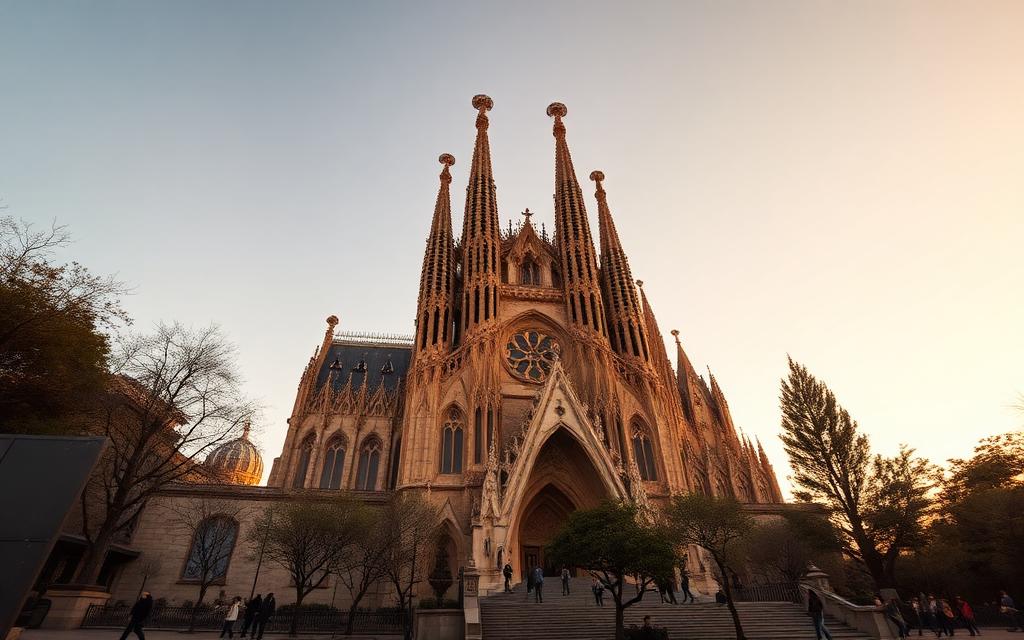
Italy
How to Move to Italy
A plain-language overview of Italian immigration routes: elective residence, digital nomad, work quotas, student visas and family reunification, with official sources.
Updated 29 August 2026 · 8 min read

Italy attracts retirees, remote workers, students and people with Italian ancestry. Each route has its own paperwork and quotas, so it pays to check which one matches your situation before applying.
Elective residence
Elective residence is for people who want to live in Italy without working there. You must demonstrate stable, recurring income from pensions, investments, rentals or other passive sources that meets the published minimum, plus private health insurance and accommodation.
Digital nomad and remote work visa
Italy's digital nomad visa is aimed at highly qualified remote workers and freelancers who work for clients or employers outside Italy. Requirements include a clean criminal record, health insurance, proof of accommodation and evidence of the remote work relationship.
Work permits and the Decreto Flussi
Most non-EU workers need a job offer before applying. Employers request a nulla osta (work authorisation) through the annual quota system known as the Decreto Flussi. Some categories, such as highly qualified workers, intra-company transfers and seasonal workers, fall outside or have separate channels within the quota.
Study and family routes
Student visas require enrolment at an accredited Italian institution, proof of funds and accommodation. Students can usually work part-time. Family reunification allows certain residence permit holders to bring spouses, minor children and dependent parents.
Permesso di soggiorno
Within eight days of arriving in Italy you must apply for a permesso di soggiorno at the local post office or questura. This card is your proof of legal residence and must be renewed before expiry.
Common mistakes to avoid
Applying for a work visa without a nulla osta, underestimating the proof-of-funds requirement, or using a short-term rental contract without the landlord's consent for the residency application are common reasons for delays or refusals.
Frequently asked questions
- Can I work remotely in Italy as a freelancer?
- Yes, the digital nomad visa is designed for highly qualified remote workers and freelancers, provided most of your income comes from outside Italy.
- How long does Italian elective residence last?
- The initial permit is usually valid for one or two years and is renewable, eventually leading to long-term residence if conditions are met.
- Do I need to speak Italian?
- Italian language skill is not usually required for the initial visa, but it is needed for long-term residence and citizenship applications.
Share this guide
Comments
Ask a question or share your experience, and reply to others to keep the discussion in one thread. Please do not post personal documents or contact details.
Loading comments...